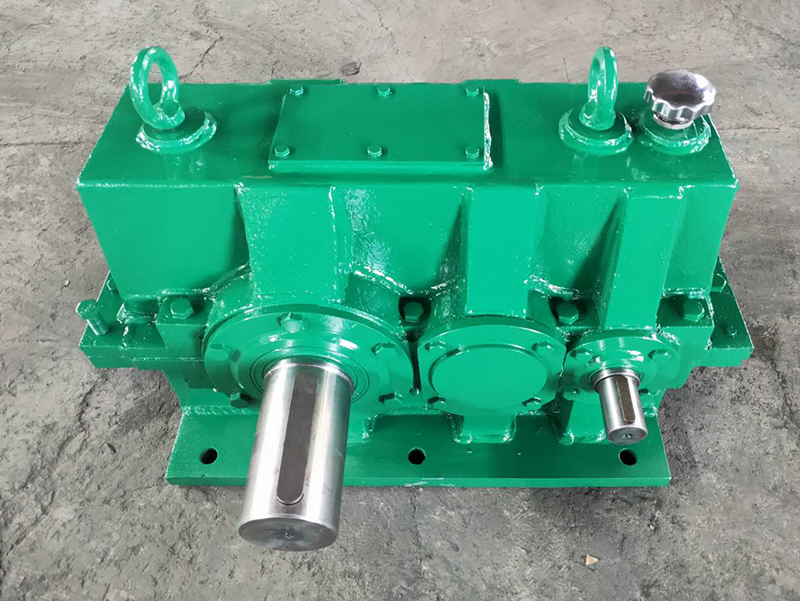

In today's highly customized industrial manufacturing field, non standard gearboxs have become the preferred choice for many enterprises to solve special transmission needs due to their unique adaptability and flexibility. However, facing the dazzling array of non standard gearbox products in the market, how to scientifically evaluate their cost-effectiveness has become a major challenge in enterprise procurement decisions. This article will delve into the key factors and methods for evaluating the cost-effectiveness of non standard gearboxs, providing valuable references for enterprises.
Firstly, it is necessary to clarify the specific usage scenarios, working environment, load requirements, and expected service life of non standard gearboxs. These factors will directly affect the selection, configuration, and performance requirements of the gearbox.
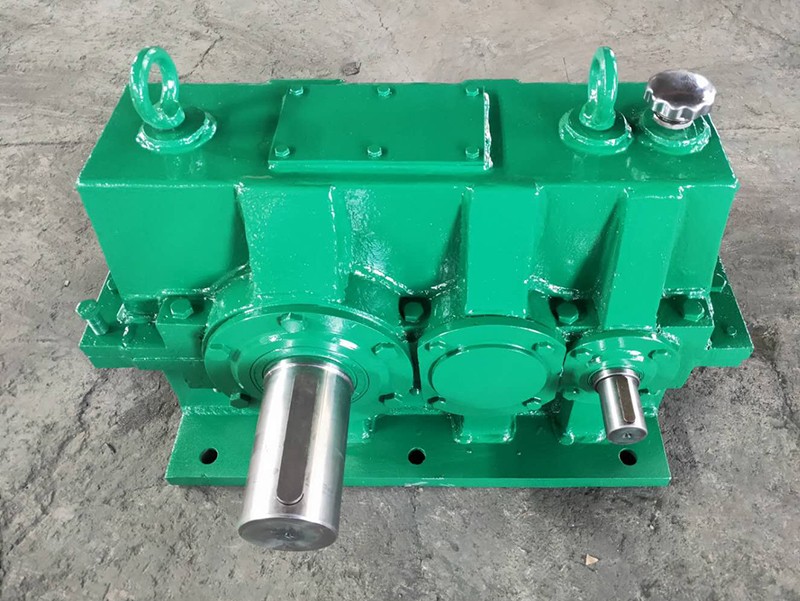
5.Transmission accuracy: Transmission accuracy is crucial for application scenarios that require high-precision transmission. When evaluating, it is necessary to understand the transmission accuracy data of the gearbox and whether it meets the accuracy requirements in actual work.
After clarifying the usage requirements and understanding the product performance, the next step is to compare the prices and performance of non standard gearboxs of different brands and models. Relevant information can be obtained by consulting market data, consulting suppliers, or referring to evaluations from other users. When comparing, it is necessary to comprehensively consider factors such as price, performance, brand reputation, and after-sales service to find the most cost-effective option.
In addition to the purchase cost, it is also necessary to consider the long-term operating costs of non standard gearboxs, including maintenance costs, replacement parts costs, and losses caused by downtime. When evaluating, it is possible to understand the maintenance cycle of the gearbox, the service life of vulnerable parts, and the supplier's after-sales service policy, in order to more comprehensively evaluate its long-term operating costs.
Famous brands and high-quality suppliers are usually able to provide higher quality products and more reliable after-sales service. When choosing, you can pay attention to brands and suppliers that have a good reputation and wide recognition in the market. At the same time, decisions can also be made based on evaluations and recommendations from other users.
 Address:Zibo, Shandong
 WhatsApp:+8615805335335
 Wechat: +8615805335335
  E-mail:zs@sdsmachinery.com
Hard tooth surface reducer manufacturer: The company produces various types and specifications of reducers such as ZQ reducers, shredder reducers, MBY edge drive grinder reducers, HB high-power reducers, etc