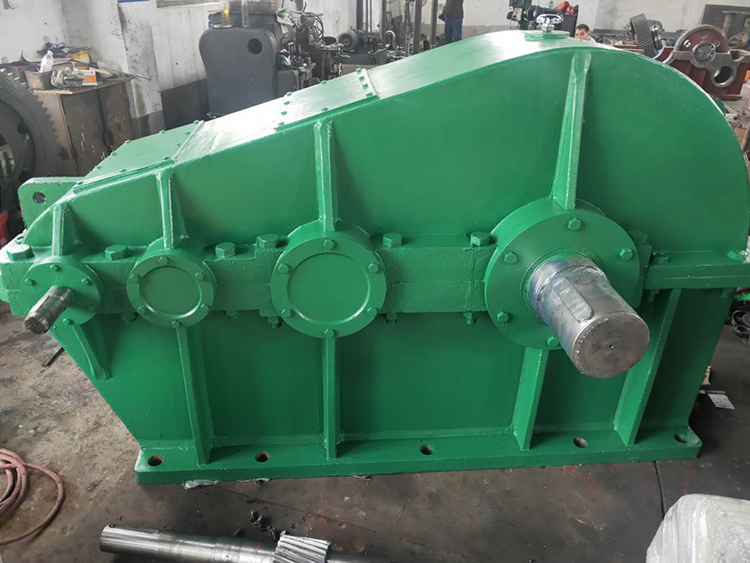

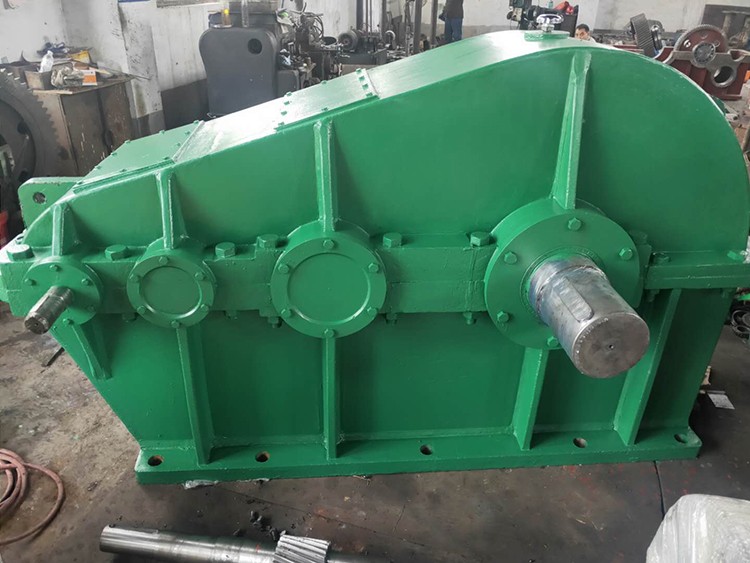
Evaluating the sealing performance of corrosion resistant cylindrical gear reducers is a comprehensive process that involves multiple aspects of inspection and testing. Here are some key steps and methods for evaluating the sealing performance of cylindrical gear reducers:
Firstly, carefully inspect the appearance of the cylindrical gear reducer. Observe whether there are obvious cracks, wear or deformation in the gearbox housing, shaft seal, oil seal and other components. At the same time, check if the seals are installed correctly and if there are any signs of looseness or damage.
Oil quality inspection: Observe the color, transparency, and viscosity of the oil. Normal oil should be clear, transparent, and of moderate viscosity. If the oil appears cloudy, blackened, or has abnormal viscosity, it may indicate a problem with the sealing performance, leading to contamination or oxidation of the oil.
Leakage test: After running the reducer for a period of time, check whether there is any oil leakage in the casing, shaft seal, oil seal and other components. It can be determined by observing whether there are oil stains near the ground, walls, etc.
For certain high-pressure or special working conditions of corrosion resistant cylindrical gear reducers, pressure testing may be required. By applying a certain amount of pressure inside the reducer, observe whether the seal can withstand the pressure and maintain a sealed state. If the pressure test fails, it indicates that there is a problem with the sealing performance.
 Address:Zibo, Shandong
 WhatsApp:+8615805335335
 Wechat: +8615805335335
  E-mail:zs@sdsmachinery.com
Hard tooth surface reducer manufacturer: The company produces various types and specifications of reducers such as ZQ reducers, shredder reducers, MBY edge drive grinder reducers, HB high-power reducers, etc