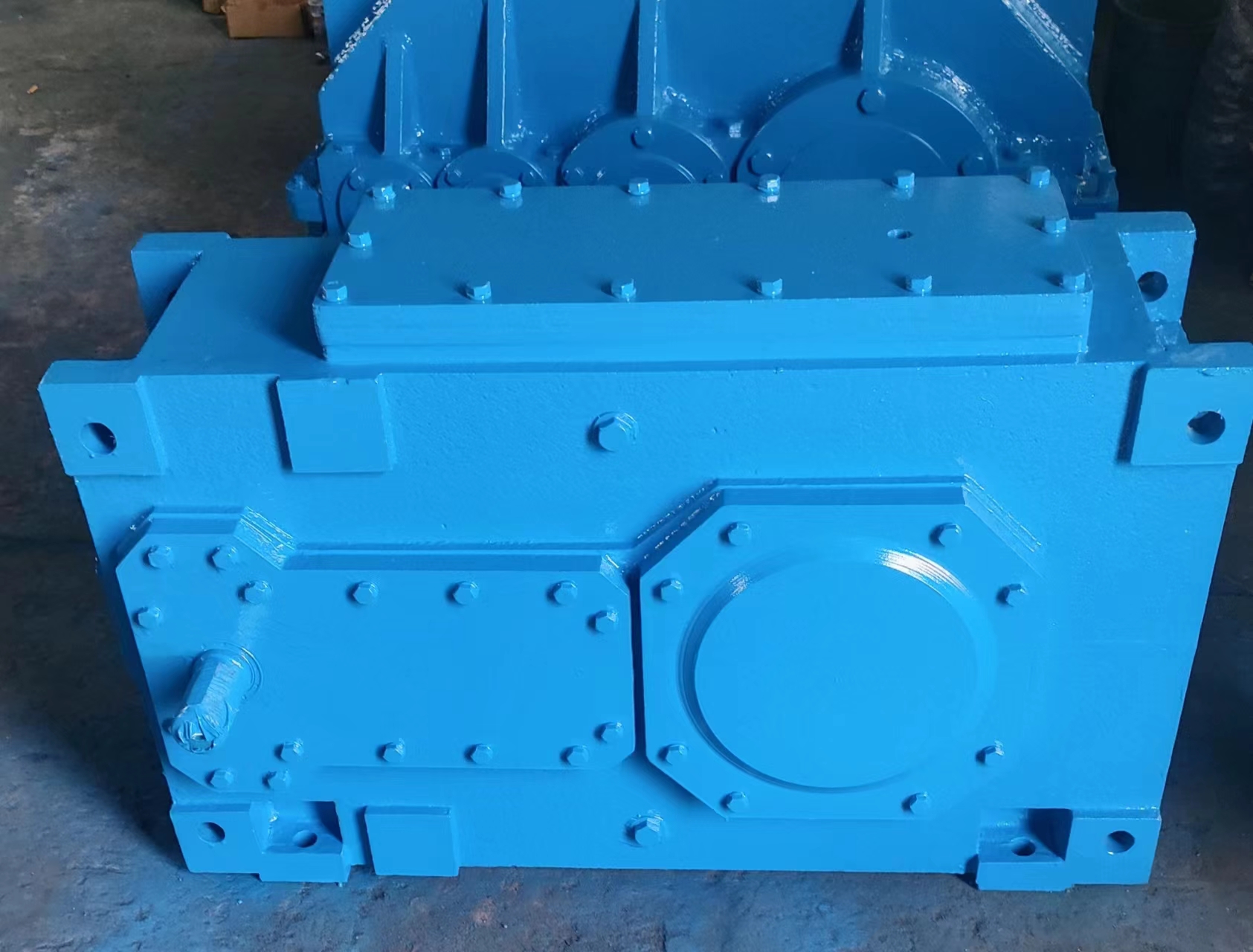
The maintenance cycle of the
shredder reducer varies depending on factors such as equipment type, frequency of use, working environment, and specific maintenance requirements, making it impossible to provide a unified maintenance cycle. However, in order to ensure the normal operation of the shredder reducer and extend its service life, it is recommended to follow the following maintenance principles:
1. Daily inspection: Before using the shredder, the shredder reducer should be inspected regularly. The inspection includes but is not limited to: whether there is any damage or oil leakage on the appearance, whether the operation is smooth and without abnormal noise, whether the fasteners are loose, etc. If any abnormal situation is found, it should be dealt with in a timely manner.
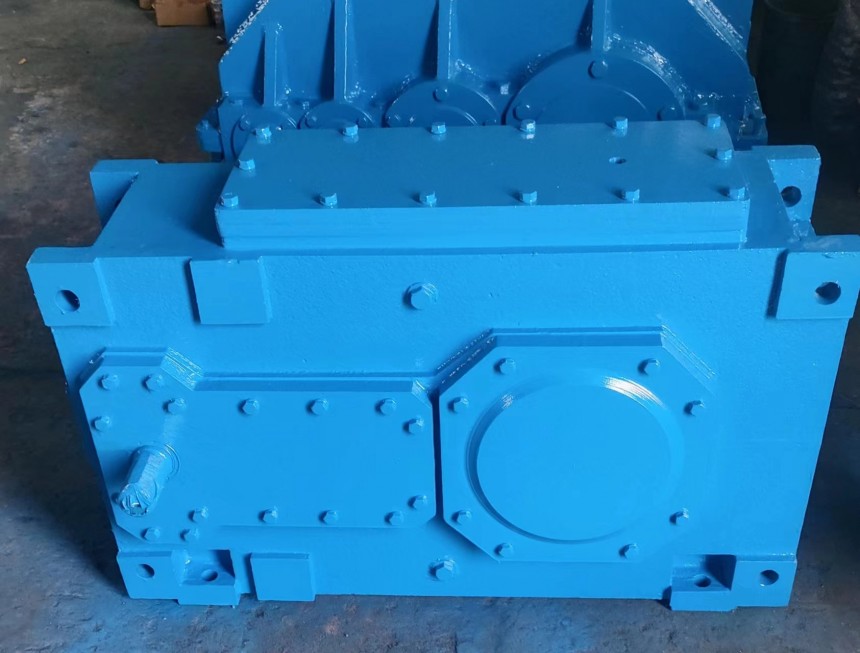
2. Regular maintenance: Develop a regular maintenance plan based on the frequency of use and working environment of the shredder. Regular maintenance includes replacing lubricating oil, cleaning the interior of the gearbox, inspecting and replacing worn parts, etc. The length of the maintenance cycle should be determined according to the actual situation, and it is generally recommended to conduct it once every quarter or every six months.
3. Overhaul: When the shredder reducer experiences serious malfunctions or significant performance degradation, a major overhaul is required. The overhaul includes a comprehensive inspection of the gearbox, replacement of damaged parts, repair of worn parts, adjustment of transmission ratio, etc. The length of the overhaul cycle depends on the usage and maintenance status of the gearbox, and it is generally recommended to conduct it once a year or every two years.
It should be noted that the specific maintenance cycle and maintenance content should be determined based on the user manual and actual situation of the shredder reducer. At the same time, monitoring and management of the gearbox should be strengthened during use, and potential problems should be promptly identified and addressed to ensure the normal operation and safety of the equipment.


 Address:Zibo, Shandong
 WhatsApp:+8615805335335
 Wechat: +8615805335335
  E-mail:zs@sdsmachinery.com